
Why cruise lines confiscate surge protectors

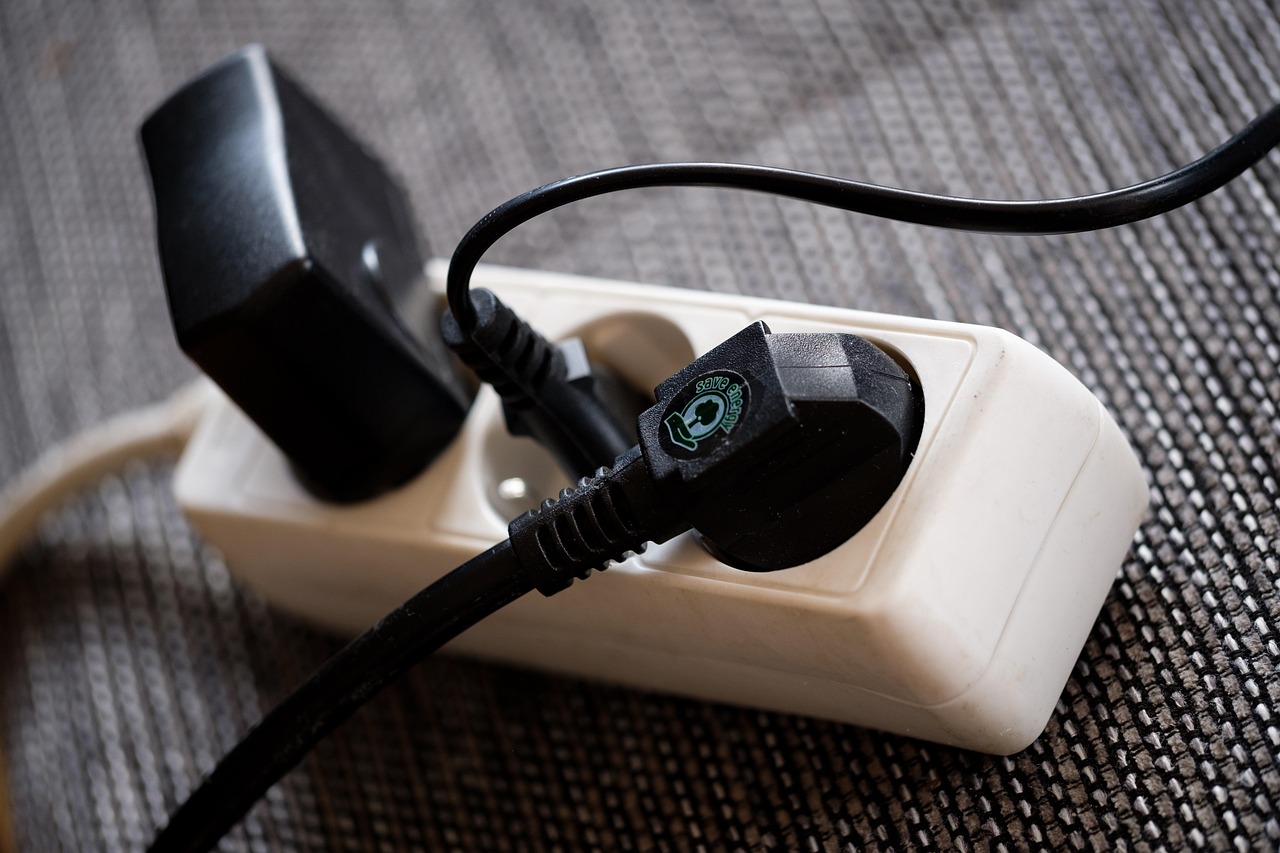
When preparing for a cruise, many travelers often overlook the importance of electrical safety on board. One common item that is frequently confiscated at the gangway is surge protectors. Understanding why cruise lines implement this policy can help you avoid disappointment and ensure you have the right accessories for your cabin.
Surge protectors are designed to safeguard electronic devices from voltage spikes. However, the electrical systems on cruise ships are uniquely structured, and using surge protectors can pose risks to both the ship’s infrastructure and its passengers. Knowing what to expect can enhance your cruising experience.
Understanding Ship Electrical Systems
Cruise ships utilize a specialized electrical system that differs from typical home setups. These systems are designed for high efficiency and safety at sea, where fluctuations in power can occur due to varying loads and environmental conditions. As a result, cruise lines prioritize the integrity of their electrical systems.
Each ship has limited power capacity, and allowing surge protectors could lead to overloads. This is why cruise lines often restrict or ban their use altogether, ensuring that all passengers’ devices operate safely without putting the ship’s systems at risk.
What Happens at the Gangway?
As you board a cruise ship, security personnel inspect carry-on items, including electronics. Items deemed unsafe, such as surge protectors, are often confiscated. Passengers are typically informed at this time, which can be disappointing for those who were unaware of the regulations.
Understanding this process can help you prepare better. It’s wise to familiarize yourself with the prohibited items on your cruise line’s policy, allowing you to pack accordingly and avoid last-minute surprises.
Why Surge Protectors Are Confiscated
Surge protectors can create complications in a cruise ship’s electrical environment. They are designed to divert excess voltage away from devices, but this can interfere with the ship’s power management systems. Cruise lines prioritize a stable electrical supply to prevent damage to sensitive equipment.
By banning surge protectors, cruise lines can minimize the risk of electrical issues that may arise from overloaded circuits, ensuring a safer journey for all passengers and crew members on board.
Alternatives to Surge Protectors
If you’re looking for safe alternatives to surge protectors, consider using non-surge power strips. These strips can offer multiple outlets without the added surge protection circuitry that cruise lines prohibit.
Non-surge power strips allow you to charge multiple devices simultaneously, without the risk of confiscation. Look for models that are compact and lightweight, making them easy to pack for your cruise without adding unnecessary bulk to your luggage.
Benefits of Using Non-Surge Power Strips
Non-surge power strips are specifically designed to meet the requirements of cruise lines, making them an ideal choice for travelers. They provide additional outlets for charging devices like phones, tablets, and cameras, which is essential when you have limited outlets in your cabin.
Moreover, these strips tend to be more straightforward in design, reducing the chance of any electrical complications on board. This simplicity helps ensure that you can safely use your electronics while enjoying your cruise experience.
Packing Tips for Your Cruise
When packing for your cruise, it’s essential to be strategic about your electronic accessories. Always check the cruise line’s website for a list of prohibited items, including surge protectors. This helps you avoid any surprises at the gangway.
Pack a non-surge power strip to maximize your charging capabilities. Consider also including portable chargers for added convenience while exploring ports of call. Being prepared will enhance your cruising experience.
Understanding Stateroom Power Limitations
Each stateroom on a cruise ship comes equipped with a limited number of outlets, often just two or three. This can be challenging when traveling with multiple electronic devices. Understanding these limitations helps you plan your charging strategy effectively.
Utilizing a non-surge power strip can make a significant difference. It allows you to charge several devices simultaneously without risking confiscation, ensuring you stay connected throughout your journey.
Staying Informed About Electrical Policies
Staying informed about your cruise line’s electrical policies is crucial for a smooth sailing experience. Each cruise line may have different rules regarding electrical devices, so it’s essential to familiarize yourself with these before your trip.
Check the cruise line’s FAQ section or contact customer service for clarification. This knowledge will allow you to avoid misunderstandings and ensure you have the right accessories for your stateroom.
The short version
Surge protectors are often confiscated by cruise lines due to potential risks to the ship’s electrical systems. Instead, opt for non-surge power strips which are compliant and provide additional outlets for your devices. Stay informed about your cruise line’s electrical policies to enhance your onboard experience.
The Importance of Understanding Ship Electrical Systems
Cruise ships are equipped with complex electrical systems designed to ensure safety and efficiency. These systems often have specific requirements for power usage, prompting crew members to confiscate items like surge protectors. Non-surge power strips, which lack the internal components to manage excess voltage, are typically permitted. Understanding these distinctions can help passengers pack appropriate stateroom accessories without risking confiscation at the gangway.
When boarding, crew members are vigilant in checking for unauthorized electrical devices that could disrupt the ship’s power system. Non-surge power strips, while often allowed, should still be used with caution. Passengers are encouraged to familiarize themselves with the ship’s electrical guidelines to ensure a hassle-free embarkation process. This knowledge can enhance the onboard experience while maintaining safety protocols.
Where to go next
Everything discussed here lives in Cabin Power. If you are weighing two options and cannot decide, the answers page covers the questions we get asked most, and a message reaches the people who pack the orders.